
Roofs and Exteriors After Hurricane Force Winds
Storm Damage Repair in Webster for properties hit by hurricane winds and golf-ball hail
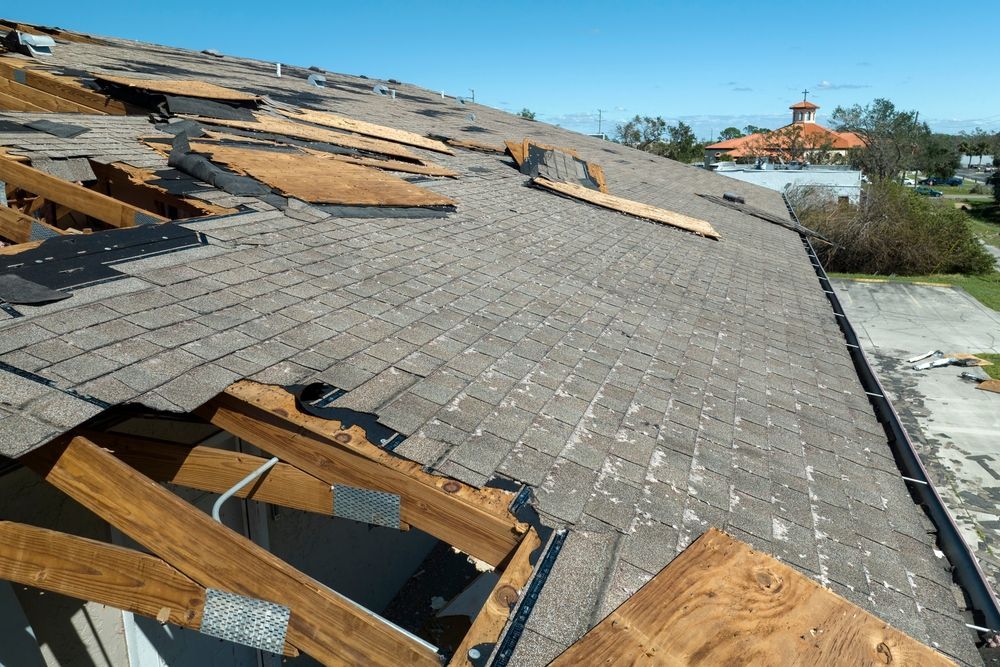
Hurricane winds and hail the size of golf balls create structural damage that shows up both inside and outside your home, and EyeQ Roofing and Construction responds immediately to assess what happened and coordinate the full scope of repairs across Webster, League City, Friendswood, Clear Lake, Pearland, and Galveston. After a major storm event, you need someone who inspects both the interior damage—ceiling stains, cracked drywall, compromised insulation—and the exterior structural issues that caused the water intrusion or impact damage. The assessment identifies which trades need to be involved, from roofing and siding to gutter replacement and fence repair, so nothing gets missed during the recovery process.
Storm damage repair involves a coordinated inspection of your entire exterior envelope to determine what the wind lifted, what the hail punctured, and what secondary damage occurred when water found its way inside. Gulf Coast storms produce wind speeds that tear shingles completely off the deck, drive rain horizontally under flashing, and turn airborne debris into projectiles that crack siding and punch through soffit panels. EyeQ Roofing and Construction handles the full scope of exterior work through a combination of personal crew labor and trusted contractors who specialize in specific trades, which means one point of contact manages everything from roof replacement to window repair.
Schedule a comprehensive damage assessment to document both visible and hidden structural issues before filing your insurance claim.
What Complete Storm Recovery Coordination Involves
The repair process begins with a thorough inside and outside damage inspection that maps exactly where wind or hail compromised your home's protective barriers. You see ceiling stains and water marks on interior walls, but the roof deck above may have multiple puncture points, torn underlayment, and displaced flashing that all need to be documented photographically and measured for material estimates. This inspection includes attic access to check for soaked insulation, truss damage, and mold growth that started within hours of the storm passing.
Once repairs are completed, your home's exterior systems function as intended—water drains away from the structure through intact gutters, siding sheds wind-driven rain instead of channeling it into wall cavities, and your roof deck remains sealed against the next weather event. EyeQ Roofing and Construction coordinates all exterior trades on the same timeline, so the roofer doesn't finish before the siding contractor arrives to repair the sheathing damage discovered during roof removal. This sequenced approach prevents gaps in protection and ensures each trade has access to the surfaces they need without undoing completed work.
The coordination includes contracted specialists for trades beyond roofing—fence companies for wooden privacy panels ripped off concrete posts, gutter installers who resize downspouts after fascia replacement, and painters who apply moisture-resistant coatings after all structural repairs are finished. Every trade works from the same damage assessment report, and scheduling is managed to keep your property protected throughout the multi-week recovery period that major storm damage requires.
Questions Before Starting Storm Damage Repairs
Property owners in Webster and the surrounding Gulf Coast communities often have specific concerns after severe weather damages their homes. These questions address the inspection process, repair coordination, and what to expect during recovery.
What gets inspected during a storm damage assessment?
The inspection covers your entire exterior envelope from roofline to foundation, including a full attic inspection to document interior water damage, insulation saturation, and structural issues that aren't visible from ground level or inside living spaces.
How does repair coordination work when multiple exterior systems need replacement?
A single project manager schedules all contracted trades in the correct sequence—roof deck repairs before shingle installation, sheathing replacement before siding goes up, fascia work before gutter mounting—so each crew has clean access to the surfaces they're repairing without damaging completed work.
Why do hurricane winds cause damage that doesn't show up immediately?
Wind-driven rain infiltrates through gaps created when shingles lift partially but don't blow off completely, and that water migrates along the roof deck or down wall cavities before it appears as a ceiling stain days or weeks after the storm passed.
What documentation do insurance adjusters need to see?
Detailed photographs of both exterior impact points and interior water damage, measurements of affected areas, and a written scope that connects visible interior damage to specific exterior failure points adjusters can verify during their site visit.
When should repairs start after a major storm?
Temporary protection—tarping punctured roof sections, boarding broken windows—happens within hours of the damage occurring, while permanent repairs begin once the insurance claim is approved and all materials are staged on-site so work proceeds without weather-related interruptions.
Coastal storms create complex damage patterns that require expertise in multiple exterior trades and an understanding of how Gulf weather interacts with building materials. EyeQ Roofing and Construction manages the entire recovery process from initial assessment through final walkthrough, coordinating every trade needed to restore your home's structural integrity and weather protection.