
Structures Anchored for Hurricane Wind Loads
Fencing in Webster for properties on clay soil in hurricane-prone areas
Clay soil and hurricane-force winds create conditions where fence posts pull out of the ground or snap at grade level unless they're anchored in concrete foundations that extend below the frost line and resist the lateral forces high winds produce. In Webster, League City, Friendswood, Clear Lake, Pearland, and Galveston, fence installation requires utility coordination before digging to avoid underground electric lines, gas mains, and irrigation systems that run through yards at depths where post holes need to reach. EyeQ Roofing and Construction contacts utility locate services and waits for all lines to be marked before augering post holes, then pours concrete around each post to create a permanent anchor that won't shift when clay soil expands during wet months or contracts during drought.
The installation process begins with utility checking that maps where cable television, internet, electrical service, gas lines, and sprinkler pipes run across your property. Post holes are augered to depths that reach stable soil below the active clay layer that moves seasonally, and concrete is poured around each post to create a solid column that extends from below grade to several inches above ground level. This concrete setting prevents posts from leaning when wind loads push against fence panels, and it stops the gradual sinking that occurs when wooden posts sit in dirt that compacts unevenly or washes away during heavy rain.
Schedule a property evaluation and utility coordination check to confirm post placement won't interfere with underground services before installation begins.
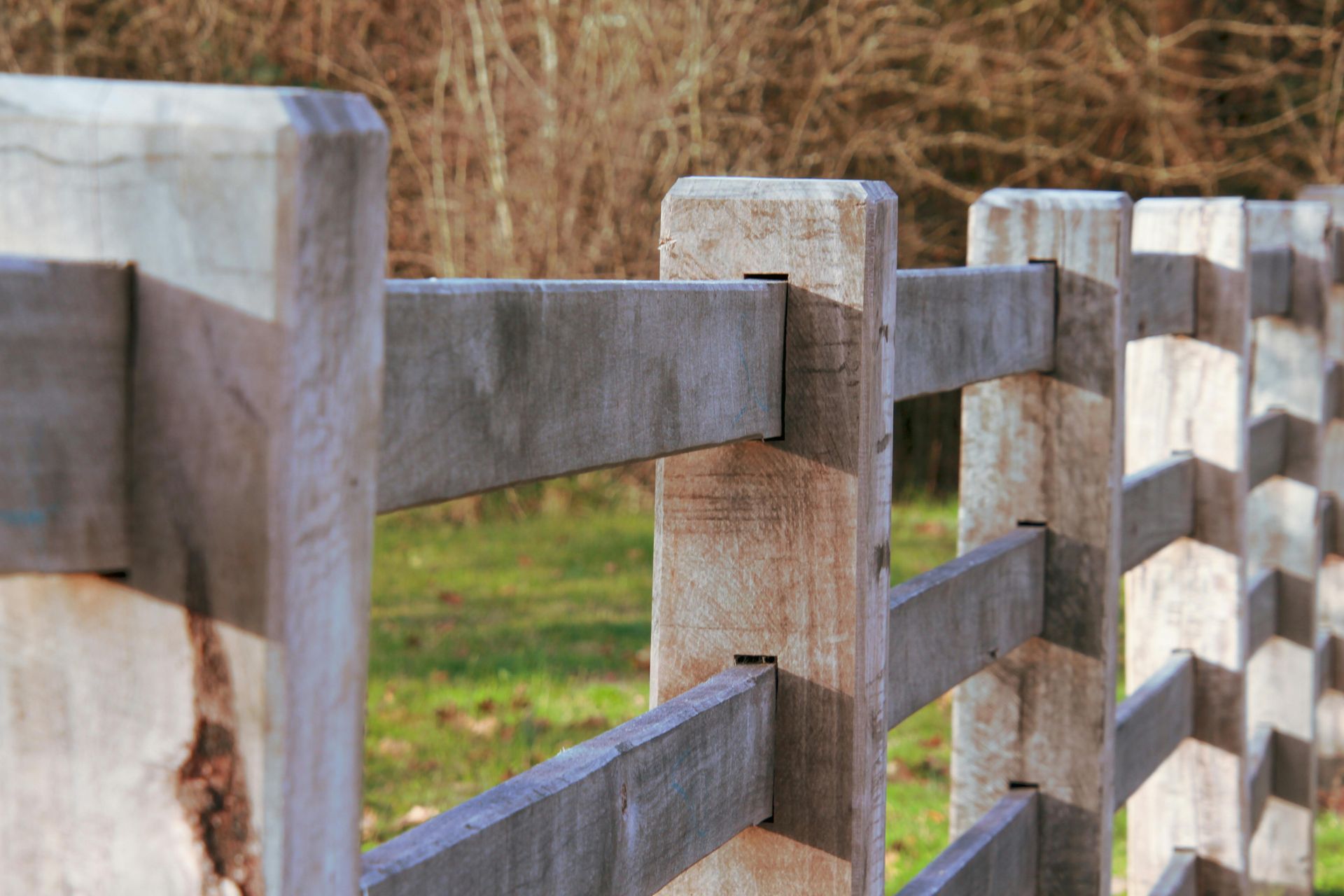
What Proper Foundation Work Accomplishes
Concrete post setting creates a permanent anchor point that transfers wind loads into the ground through a solid column rather than relying on soil friction alone to hold the post upright. Posts set in concrete-filled holes dug 24 to 36 inches deep remain plumb and stable when winds gust above 70 miles per hour, while posts tamped into dirt holes lean noticeably after the first storm season and require re-setting within two years. Underground utility coordination prevents the property damage and service disruptions that occur when an auger cuts through an electrical line or punctures a gas main, and it identifies irrigation zones that can be temporarily disabled during installation so broken sprinkler pipes don't flood post holes before concrete is poured.
Once the fence is completed, posts remain vertical and stable through seasonal soil movement and severe weather events because the concrete foundation isolates them from the clay soil's expansion and contraction cycles. You won't see panels pulling away from posts or diagonal braces sagging as the structure racks out of square, and gates continue to swing freely without binding or dragging because the hinge posts don't lean as the fence ages. The concrete collars around each post also prevent ground-level rot by keeping the wood elevated above the soil moisture that causes untreated sections to decay where they contact dirt.
Storm resistance depends on both proper anchoring and panel construction—posts must be spaced close enough that horizontal rails don't flex excessively, and panels need diagonal bracing or tongue-and-groove boards that distribute wind loads across the entire section rather than concentrating stress at individual fasteners. Utility coordination adds several days to the project timeline while locate services mark lines and installation crews verify clearances, but it eliminates the risk of severing critical underground infrastructure that would halt construction and require expensive emergency repairs.
What Property Owners Usually Ask
Fencing questions in coastal areas often focus on durability in high winds and the preparation required to ensure posts stay upright. These answers clarify what proper installation involves and why certain steps matter.
What happens during underground utility coordination?
Utility locate services send technicians to mark the paths of buried electric, gas, water, cable, and internet lines using colored flags and spray paint, typically completing the marking within 48 to 72 hours of the locate request so installation crews know where they can safely dig post holes.
How deep do post holes need to be in clay soil?
Most posts require holes 24 to 30 inches deep to reach stable soil below the active clay layer that shrinks and swells with moisture changes, with corner and gate posts often needing 36-inch depths because they bear additional structural loads from attached panels and swinging gates.
Why does concrete prevent posts from leaning?
Concrete creates a solid column that anchors the post below the frost line and distributes lateral wind loads into the surrounding soil through a much larger surface area than the post diameter alone provides, preventing the rocking motion that gradually loosens posts set in tamped dirt.
When do hurricane winds typically damage fences in Webster?
Sustained winds above 60 miles per hour create enough lateral pressure to snap posts at grade level if they're not anchored in concrete, and wind-borne debris turns into projectiles that puncture panels or splinter horizontal rails during major storms.
How long does concrete need to cure before attaching fence panels?
Posts should remain braced and undisturbed for 24 to 48 hours while the concrete reaches initial set strength, with full structural curing taking seven days before the installation can handle the stress of panel attachment and gate hardware mounting.
Fence structures built for Gulf Coast conditions require concrete post foundations and careful attention to underground utilities before installation begins. EyeQ Roofing and Construction coordinates utility locates and pours concrete anchors that keep posts vertical through hurricane winds and seasonal soil movement, building the structure right the first time so it lasts for decades.