
Exterior Protection Built to Code for Coastal Conditions
Siding Installation & Repair in Webster for homes requiring house wrap and sheathing inspection
Proper siding installation in Webster, League City, Friendswood, Clear Lake, Pearland, and Galveston requires house wrap installation behind every panel and a thorough inspection of the existing sheathing for damage before the first piece of siding goes up. Hurricane winds and Gulf humidity create conditions where moisture infiltrates through the smallest gaps, and skipping the house wrap or installing siding over rotted sheathing traps water against your wall structure where it destroys framing within months. EyeQ Roofing and Construction pulls damaged sections of old siding to inspect the sheathing underneath for soft spots, mold growth, and areas where previous water intrusion weakened the OSB or plywood that your new siding will mount to.
The installation process involves removing old siding completely to expose the sheathing layer, replacing any sections that show water damage or structural weakness, and wrapping the entire exterior in a moisture barrier before new siding is cut and fastened. House wrap functions as a secondary defense that sheds water downward even if wind-driven rain penetrates behind the siding itself, and it allows water vapor from inside the home to escape outward without letting exterior moisture soak into the wall cavity. Sheathing inspection catches problems that would remain hidden until they caused interior damage—buckling drywall, musty odors, or visible mold in closets along exterior walls.
Arrange an exterior inspection to evaluate your current sheathing condition and determine whether moisture barriers need replacement before new siding is installed.
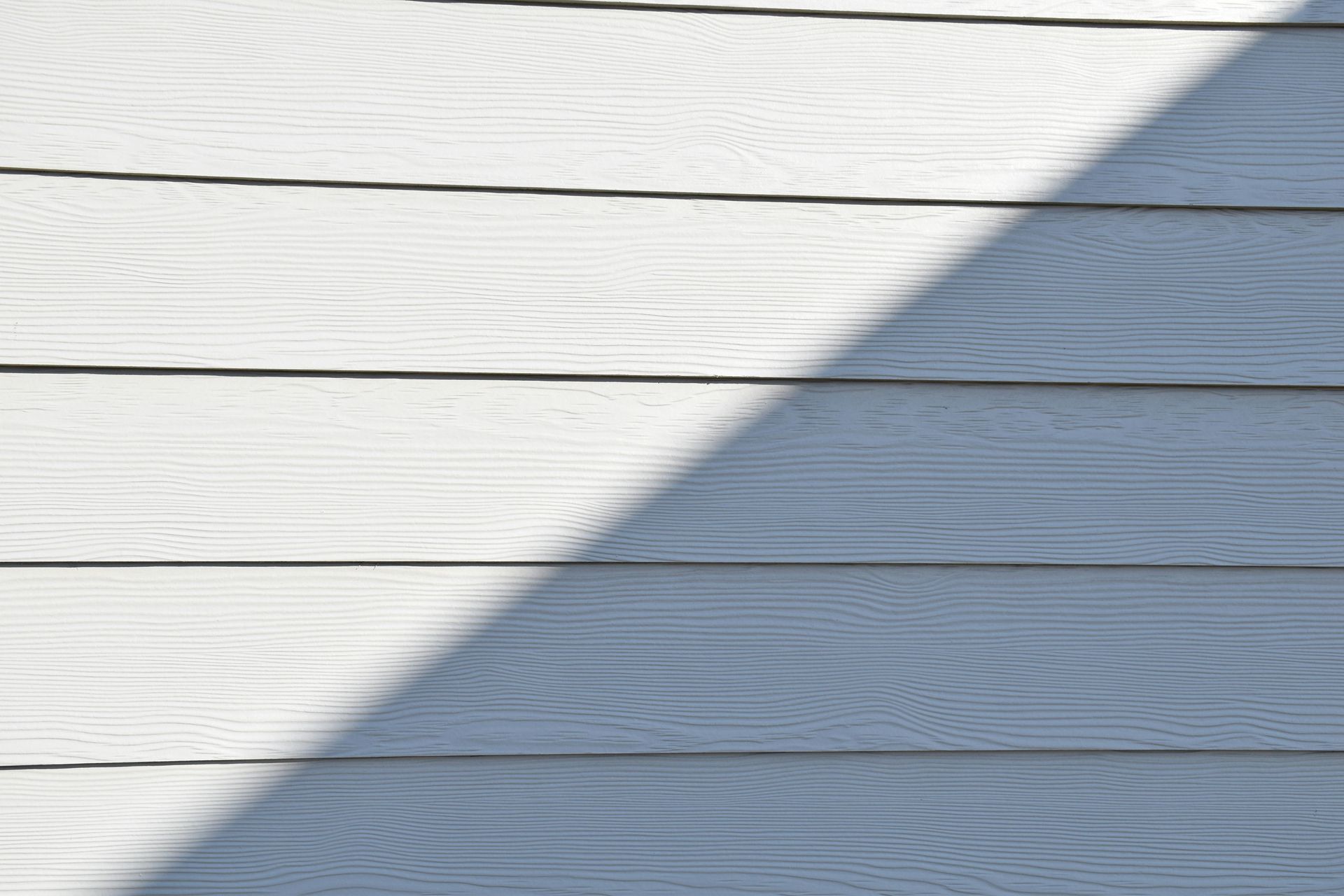
Why Preparation Determines How Long Siding Protects Your Home
Sheathing inspection reveals damage patterns common in coastal climates—bottom edges of OSB panels swollen from ground splash, corners where flashing failed and allowed water to wick upward into the wood, and areas around windows where improper sealing let rain migrate behind the old siding during every storm. Replacing compromised sections before siding installation prevents new panels from mounting to a surface that's already failing structurally. House wrap installation covers the entire wall plane in overlapping sheets that are taped at seams and integrated with window flashing so water that gets behind the siding runs down the exterior of the wrap instead of soaking into the sheathing.
After the work is finished, your walls shed water properly for the first time in years—wind-driven rain hits the siding and drains downward without finding gaps that lead to the sheathing, and any moisture that does penetrate the outer layer hits the house wrap and flows down to the bottom plate where it drips free instead of soaking in. You won't see water stains developing on interior walls after rainstorms, and your home's framing remains dry and structurally sound through hurricane season and the humid summer months when condensation becomes a secondary moisture source.
The complete system includes proper fastening schedules that prevent panels from pulling loose during high winds, J-channel installation around windows and doors that directs water away from openings, and caulking at every penetration point where utilities enter the wall. This preparation takes longer than simply nailing siding over existing surfaces, but it produces an exterior envelope that functions as designed and protects your home's structure for decades rather than trapping moisture that requires a second replacement in five years.
Common Questions About This Service
Property owners along the Gulf Coast want to know how siding holds up to humidity and storms, and what preparation steps are worth the additional time and cost. These answers address the most frequent concerns.
What does sheathing inspection reveal?
The inspection identifies OSB or plywood panels that have absorbed water and lost structural integrity, areas where previous water intrusion caused mold growth on the sheathing surface, and sections where rot compromised the fastening surface for new siding.
How does house wrap protect the wall structure?
House wrap functions as a secondary moisture barrier that allows water vapor to escape from inside the home while preventing liquid water that penetrates behind the siding from soaking into the sheathing, causing the water to drain downward and exit at the bottom of the wall instead.
Why do some homes need sheathing replacement while others don't?
Homes where old siding had gaps, missing caulking, or damaged flashing allowed water infiltration that rotted the sheathing underneath, while homes with intact siding and proper maintenance typically have dry sheathing that only needs cleaning before house wrap and new siding installation.
When should siding be replaced instead of repaired?
Replacement makes sense when more than 30 percent of the existing siding shows damage, when the material itself is outdated and no longer available for patch work, or when you're ready to add house wrap that requires removing all siding to access the sheathing layer.
How do hurricane conditions affect siding longevity in Webster?
High winds create uplift pressure that pulls at siding edges and corners, while horizontal rain driven by sustained winds finds every gap and seam, which is why proper fastening to solid sheathing and complete house wrap coverage matter more in coastal areas than in regions with gentler weather patterns.
Siding that performs properly in Gulf Coast conditions requires thorough preparation including sheathing inspection and house wrap installation before the first panel goes up. EyeQ Roofing and Construction builds the complete moisture protection system your home needs to withstand coastal humidity and hurricane weather, ensuring the work is done right the first time to code.