
Permanent Solutions for Active Leak Situations
Roof Repair in Webster for emergency leak response and storm damage requiring immediate water intrusion resolution
Active leaks during storm events create ceiling damage, insulation saturation, and electrical hazards that demand immediate response before water spreads through structural cavities. Water testing identifies exact penetration points that visual inspection cannot locate, revealing failure patterns hidden beneath surface materials and tracing leak paths that travel horizontally before dropping into interior spaces. EyeQ Roofing and Construction responds to emergency situations throughout Webster, League City, Friendswood, Clear Lake, Pearland, and Galveston, prioritizing permanent repairs that address root causes rather than temporary patches that fail during subsequent weather events.
Roof repair becomes necessary when ceiling stains indicate active water intrusion, when storm damage compromises shingle integrity across sections too large for simple patching, or when flashing failures around chimneys and penetrations allow rainfall to enter wall cavities. Emergency tarping provides temporary protection when weather prevents immediate permanent repairs, but the cautious approach minimizes tarp use since proper repairs serve insurance claim documentation better than covered damage. The focus remains on identifying exactly what failed, why the failure occurred, and what permanent solution prevents recurrence.
Contact us immediately when active leaks develop to arrange emergency assessment and water testing.
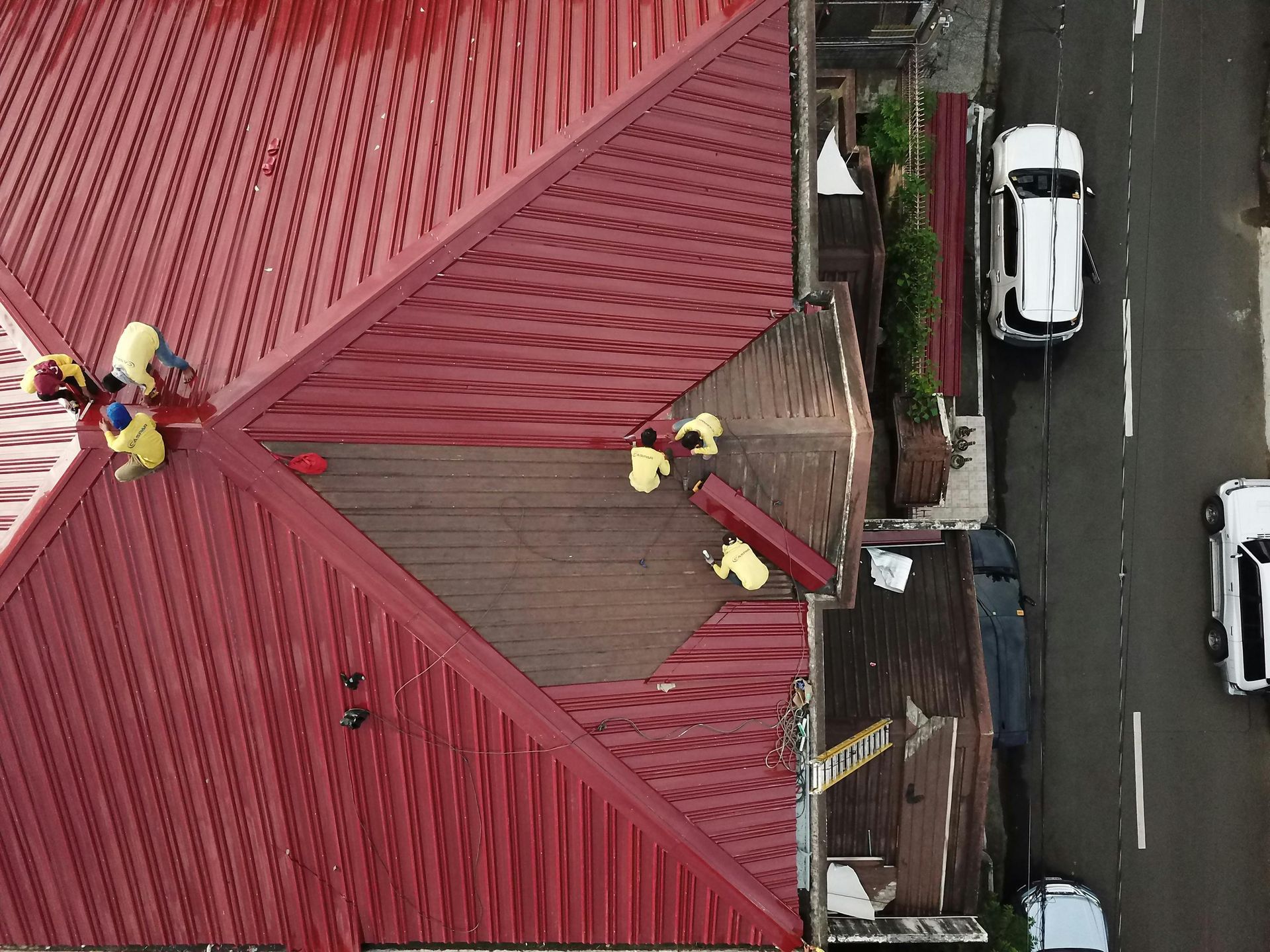
Why Water Testing Locates Hidden Failures
Water testing applies controlled water flow to suspected failure areas while observers monitor interior spaces for penetration, revealing leak paths that only occur under specific conditions like wind-driven rain or ice damming. This diagnostic approach identifies failures in valley flashing that channel water sideways into wall penetrations, pinpoints fastener holes where sealant has failed, and demonstrates how inadequate underlayment allows water migration that shows up feet away from actual roof damage. Testing eliminates guesswork that leads to repeated repairs addressing symptoms rather than causes.
Once permanent repairs complete, ceiling stains stop expanding because water no longer penetrates at the identified failure point, interior humidity levels drop as active moisture sources get eliminated, and subsequent rainstorms no longer trigger the dripping or staining that indicated ongoing leaks. You notice the difference immediately during the next significant rainfall when areas that previously showed wetness remain dry and ceiling materials begin drying rather than staying saturated.
Emergency response capability includes no-charge tarping for customers proceeding with insurance claim repairs, providing immediate protection while claim documentation and approval processes advance. The permanent repair focus ensures that temporary measures serve only as short-term protection rather than becoming inadequate long-term solutions that defer proper fixes.
What Property Owners Usually Ask
Emergency repair situations create urgent questions about response timing, permanent versus temporary solutions, and insurance claim implications.
What happens during water testing for leak detection?
Controlled water application simulates rainfall conditions while interior observation identifies exact penetration points, revealing failure locations that visual inspection cannot determine. This testing approach works especially well for intermittent leaks that only occur under specific wind and rain combinations common during Gulf Coast storms.
How does emergency tarping work for active leak situations?
Tarps provide temporary water barrier over damaged sections when weather conditions prevent immediate permanent repairs, but the cautious approach limits tarp use since properly documented damage supports insurance claims better than covered areas. Tarping serves as short-term protection rather than a repair solution.
When should permanent repairs happen instead of temporary patching?
Any failure involving multiple shingles, compromised flashing, or penetration damage requires permanent repair addressing the root cause rather than surface patching that fails during subsequent weather. League City storm patterns create conditions where temporary fixes simply delay inevitable comprehensive repairs.
What makes permanent solutions critical for insurance claim customers?
Proper repairs create documented fixes that insurance adjusters can verify and approve, while temporary patches leave claims open and vulnerable to denial for inadequate repair attempts. Permanent work also prevents recurring damage that complicates future claims when the same area fails again.
How quickly can emergency response reach properties in Friendswood during active storms?
Response timing depends on weather severity and crew safety considerations, but emergency situations receive priority scheduling to minimize interior damage spread. The personal crew approach means you work with experienced installers who understand Gulf Coast storm patterns rather than whoever is available during peak demand periods.
EyeQ Roofing and Construction brings 24 years of construction experience to every repair situation, dedicated to solving problems completely rather than providing quick fixes that fail within months. Schedule emergency assessment when leaks develop or request evaluation of existing damage before storm season intensifies problems.