
Surfaces Sealed Against Salt Air and Humidity
Painting in Webster for homes exposed to Gulf humidity and coastal weather
Gulf humidity and salt air degrade painted surfaces faster than dry climates, causing peeling, blistering, and mildew growth within two years of application unless specialized primers and moisture-resistant coatings are used. Complete preparation determines how long paint adheres to your surfaces—power washing removes dirt and chalky residue, loose paint gets scraped away, bare wood receives kill primer that blocks tannin bleed-through, and silicone sealing fills every hole and gap where water could penetrate behind the new finish. EyeQ Roofing and Construction handles interior and exterior painting with the thorough prep work that coastal conditions require, taking the time to seal surfaces properly before applying topcoats designed to flex with temperature changes and shed moisture instead of trapping it against the substrate.
The painting process follows a sequence that builds protection layer by layer—surfaces are power washed and allowed to dry completely, loose or failing paint is removed with scrapers and wire brushes, exposed wood or bare patches receive stain-blocking primer, all nail holes and gaps get silicone caulking, and two finish coats are applied once the preparation work creates a sound surface. Moisture-resistant coatings formulated for high-humidity environments allow water vapor to escape from behind the paint film instead of trapping it where it lifts the coating away from the substrate, and they contain mildewcides that prevent the black spotting that appears on painted surfaces in shaded areas where humidity stays high year-round.
Request a detailed surface evaluation to identify areas where moisture penetration or inadequate preparation will cause premature coating failure if not addressed.
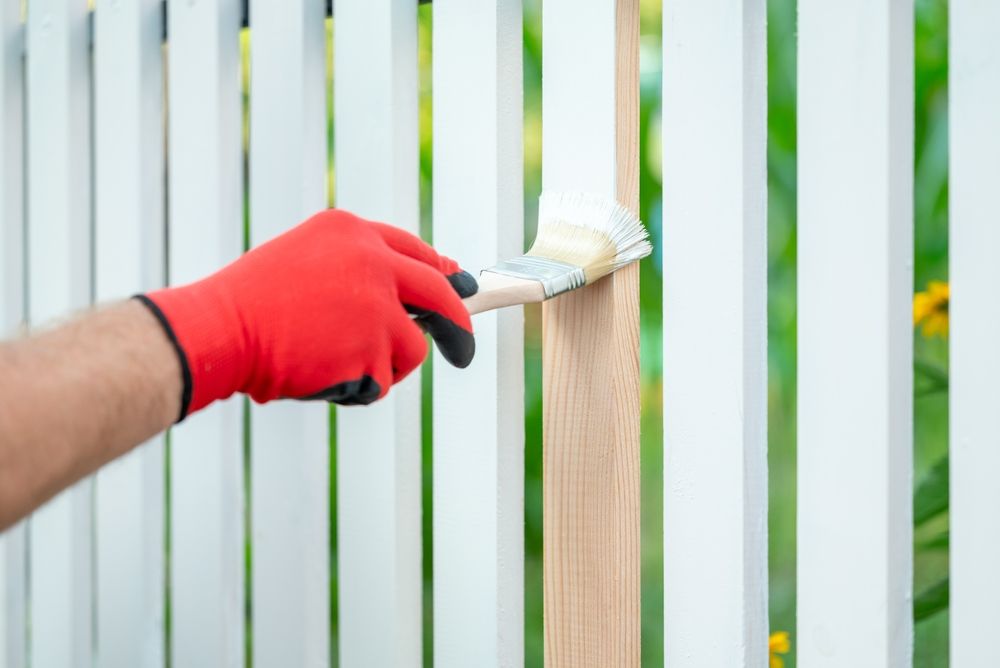
What Complete Surface Preparation Involves
Preparation work begins with power washing that removes surface dirt, pollen, mildew, and the chalky oxidation that accumulates on painted surfaces in coastal climates where salt air accelerates coating breakdown. Once surfaces dry, loose paint gets scraped away to create clean edges where old and new coatings will bond properly, and any bare wood exposed during scraping receives kill primer that seals the surface and prevents moisture or tannins from bleeding through the finish coats. Silicone sealing happens before paint application—every nail hole, gap between trim boards, crack around window frames, and seam where different materials meet gets filled with flexible caulk that moves with thermal expansion instead of cracking and allowing water infiltration.
After the complete process finishes, your painted surfaces shed water instead of absorbing it, and they resist the mildew growth that creates black streaks on homes throughout Webster, League City, Friendswood, Clear Lake, Pearland, and Galveston within months of painting. You'll notice that caulked seams no longer separate during temperature swings, water doesn't wick behind trim boards to rot the wood underneath, and the paint film remains smooth and intact instead of blistering where trapped moisture pushes it away from the substrate. Properly primed and sealed surfaces maintain their appearance for years rather than requiring repainting every 18 months when shortcuts were taken during preparation.
The work includes patching damaged areas before painting begins—rotted trim sections get replaced with new wood that's primed on all sides before installation, holes in siding or drywall are filled and sanded smooth, and cracks in stucco or masonry receive elastomeric patching compound that flexes without reopening. This preparation takes longer than simply rolling paint over existing surfaces, but it creates a protective envelope that handles coastal weather conditions and prevents the premature failure that occurs when paint is applied over compromised substrates or inadequately sealed surfaces.
Questions Before Starting Your Project
Property owners want to understand what preparation involves and why paint fails prematurely in coastal climates. These responses address the practical concerns that come up during project planning.
What does power washing accomplish?
Power washing removes dirt, mildew, pollen, and oxidized coating residue that prevents new paint from bonding properly, and it exposes areas where old paint is loose or failing so those sections can be scraped and primed before finish coats are applied.
How does kill primer prevent bleed-through?
Kill primer contains shellac or oil-based resins that seal wood tannins, old stains, and water marks so they can't migrate through latex topcoats and discolor the finished surface, which is especially important on cedar, redwood, and previously stained trim.
Why does silicone sealing matter before painting?
Silicone caulk fills gaps and seams where water infiltrates behind painted surfaces, preventing moisture from reaching the substrate where it causes the paint film to blister and peel as trapped water vapor tries to escape during hot afternoons.
When should exterior surfaces be repainted in coastal climates?
Most exterior paint jobs in Gulf Coast areas last four to six years when proper preparation and moisture-resistant coatings are used, compared to two to three years when surfaces aren't power washed, primed correctly, or sealed against water infiltration before painting.
How do humidity and salt air affect paint longevity?
High humidity slows drying times and allows mildew to grow on painted surfaces, while salt particles in coastal air accelerate coating breakdown through chemical reactions that cause chalking and loss of adhesion, which is why primers and topcoats designed for marine environments perform better than standard interior-grade paints.
Paint protection in Gulf Coast humidity requires complete surface preparation including power washing, loose paint removal, kill primer application, and silicone sealing before moisture-resistant topcoats are applied. EyeQ Roofing and Construction dedicates the time needed to prepare surfaces properly, building lasting protection that handles coastal weather conditions and prevents the premature failure common when preparation work gets rushed or skipped entirely.